
Solitaire games are among the most beloved and timeless forms of card gaming played all around the world. These single player card games are designed to test patience, skill, and strategic thinking using a standard deck of cards. While millions enjoy digital versions, classic card deck solitaire remains a favorite way for players to challenge themselves without needing any additional tools or partners.
Whether you’re just learning to play card games for fun or eager to master winning techniques, understanding the core mechanics of solitaire is essential. This guide explains rules, layouts, gameplay steps, strategic tips, and common pitfalls so that you can confidently engage in solitaire games and improve over time.
In this article, you’ll be taken through the types of solitaire games you can play with a deck of cards, how to set up your cards correctly, and how to make intelligent moves. You’ll also discover helpful tips and winning strategies tailored to beginners and seasoned players alike, so you always feel prepared when the cards are dealt.
Types of Solitaire Games with Cards
Solitaire games come in many versions. While many have the same goal of organizing cards, each variant introduces its own twist. Understanding the popular types will help you pick the right solitaire game to play and enjoy.
Klondike Solitaire
Klondike is the classic version most people think of when they hear “solitaire games.” It uses one deck of 52 cards and challenges players to move all cards to foundations from ace to king in four suits. The tableau is arranged in seven columns, with cards organized in alternating color sequences.
This variant is logic‑based and requires careful planning at every move. Choosing when to draw one or three cards from the stock can make the difference between winning or losing. Classic solitaire players often begin here before exploring other styles.
Spider Solitaire
Spider Solitaire adds complexity by using two decks of cards. The goal is to build eight complete sequences from king down to ace in the same suit. Spider solitaire challenges even experienced players due to its deeper strategic requirements.
Unlike Klondike, suits play a larger role. You must organize stacks and only move cards if they form solid descending sequences, making it engaging and more demanding.
FreeCell Solitaire
In FreeCell solitaire, all cards are dealt face‑up from the beginning, creating an open and strategic experience. The goal is like Klondike: move cards to four foundations in ascending order by suit.
What makes this version unique are the “free cells” — empty spots where players can temporarily park cards to access deeper sequences. With careful planning, almost every FreeCell game is winnable, making it satisfying for persistent players.
Other Popular Variants
There are many other solitaire game styles, such as Pyramid Solitaire, TriPeaks Solitaire, and Golf Solitaire. Each introduces rules and layout variations that change how you sequence cards. Exploring these options keeps the experience fresh and challenging.
Setting Up a Deck for Solitaire
To enjoy solitaire games with cards, the setup must be correct. A proper arrangement determines whether the game plays smoothly and fairly.
Choosing the Right Deck
Standard solitaire games use a 52‑card deck without jokers unless a variant requires them. Familiarize yourself with the ranks (ace through king) and suits because these define card movement and placements.
Always use a complete, well‑shuffled deck for consistency. Mixing decks mid‑game can lead to confusion and unfair outcomes.
Shuffling Cards Properly
Before any solitaire game, shuffle your cards thoroughly. Use the overhand shuffle, riffle shuffle, or a mix of techniques to ensure randomness. A good shuffle prevents predictable patterns, giving every game a fresh challenge and enhancing the experience.
Avoid sloppy shuffling, as this can lead to clumped card sequences that break the intended randomness of the game.
Creating the Tableau
In many solitaire games, especially Klondike, the tableau refers to the main playing area where cards are placed in columns. For example, Klondike uses seven tableau piles with staggered face‑down and face‑up cards.
To set up:
- Deal the first column with 1 face‑up card.
- Deal the second with 1 face‑down and 1 face‑up card.
- Continue until all seven columns are created.
This layout introduces obstacles that players must strategically overcome during gameplay.
Stock and Waste Setup
After the tableau is laid out, the remaining cards become the stock. These are drawn during gameplay. In most solitaire games, you draw from the stock and place unusable cards into the waste pile.
The stock and waste piles are central to draw strategies, especially in variants like Klondike where you may draw one or three cards at a time.
Basic Rules of Playing Solitaire Games
Before playing, knowing the rules helps you make informed decisions at each turn. Rules define what moves are allowed and how you win.
Objective of Solitaire
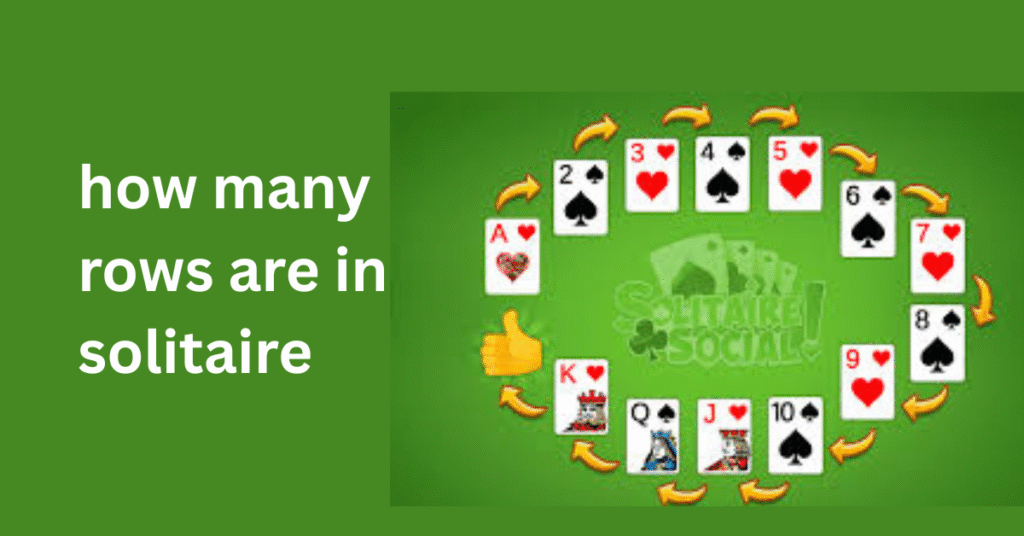
The core purpose of most solitaire games is simple: move all cards into the foundations four piles arranged by suit, starting with ace and ending with king. Successful games require moving cards around the tableau and stock while obeying game‑specific rules.
This goal creates structure and provides players with clear progress markers as they stack cards correctly.
Understanding the Foundation
Foundations are the target piles where cards must be placed in ascending order (Ace → 2 → 3 … → King) and by suit. Successfully building all four foundation piles means you’ve beaten the game.
It’s important to always look for moves that free up foundation placements since that accelerates game progress.
Building the Tableau
The tableau is your working area. In most solitaire games:
- Cards must be placed in descending order.
- Cards are arranged in alternating colors (red and black) for many variants like Klondike.
- Smart tableau building ensures more playable moves and increases your chances of finishing.
Moving Cards Legally
Every solitaire game has rules about how cards may move:
- Cards often move one at a time.
- Complete sequences may move as a unit in some variants.
- Only kings can fill empty tableau spots in certain versions.
Understanding these legal restrictions allows you to plan effectively instead of making random moves.
Step‑by‑Step Solitaire Gameplay
This section walks you through a typical solitaire game from start to finish.
- Starting the Game
- After setting the tableau and stock:
- Turn the top card of each tableau pile face‑up.
- Look for immediate moves to foundations (ace and two if possible).
- Consider initial moves that open more face‑down cards.
- First moves set momentum, so think carefully rather than reacting impulsively.
Drawing from the Stock
If no tableau moves exist, draw from the stock:
- In draw‑one versions, flip one card at a time.
- In draw‑three solitaire, preview three cards and play the top available card.
- Timing when to draw and when to use waste pile cards is crucial for a smooth game.
- Moving Cards to Foundations
Place cards on foundations whenever possible. Prioritize moving cards that unlock future moves rather than those that simply fit.
For example, moving a two of hearts only makes sense if it clears space or allows deeper stacks.
Ending the Game
The game ends when:
- All cards are moved to foundations (win).
- No legal moves remain (loss).
- Tracking your progress helps refine strategies for future games.
Solitaire Strategies That Improve Winning
Winning solitaire consistently requires more than luck. These strategies enhance your decision‑making.
Prioritize Foundations
Always move cards to foundations when it doesn’t block tableau options. Completing foundation stacks frees up workspace and simplifies remaining challenges.
This includes prioritizing aces and low‑value cards early.
Expose Hidden Cards
Face‑down cards hold potential moves. Work toward uncovering them by making strategic shifts that reveal card faces and open new pathways.
Every face‑down card you expose increases playable options.
Sequence Alternating Colors
In tableau piles, build sequences with alternating colors and descending ranks. This organization creates flexibility and future movement opportunities.
Solid sequencing helps reduce dead‑end situations.
Use Strategic Resets
Sometimes trading a potential move for a better position yields higher long‑term value. Resetting a tableau stack or holding a card from the waste pile may be strategic.
Patience and planning distinguish average players from great ones.
Common Solitaire Mistakes to Avoid
Even experienced players make repeated errors. Here are mistakes to watch:
Not Revealing Face‑Down Cards
- Ignoring moves that uncover hidden cards slows progress. Always aim to flip face‑down cards early in the game.
- Revealing a card quickly often leads to breakthrough moves.
Ignoring Empty Tableau Spots
- Empty spaces often allow kings and other large plays that can free entire stacks. Prioritize creating empty tableau spots when appropriate.
- Skipping this tactic limits your flexibility dramatically.
Rushing Moves
- Solitaire rewards thoughtful play. Quick moves without analysis lead to dead ends and unnecessary losses.
- Pause before each move and consider the consequences.
Not Planning Ahead
- Focusing only on immediate moves without foreseeing future possibilities causes repeated failures. Effective players visualize several steps ahead.
This forward planning separates casual play from expert strategy.
Solitaire Tips for Faster Mastery
Here are practical tips to improve your solitaire game:
Learn One Variant Well
- Start by mastering Klondike before branching out. Understanding one style builds confidence and logical instincts.
- Deep familiarity improves performance faster.
Practice Shuffle Techniques
- Efficient shuffling ensures fair random distribution and improves repetitive gameplay quality.
- Develop consistent shuffle methods so games feel varied and fair.
Track Your Wins
- Recording wins and losses allows pattern recognition. Notice where mistakes happen and correct them.
This habit sharpens decision‑making over time.
Play Regularly
- Like any skill, frequent play enhances reflexes and strategy. Even a few daily games provide continuous improvement.
Enjoy the process and challenge yourself!
Solitaire Games for Different Ages
- Solitaire isn’t just for one group it’s adaptable and entertaining for all ages.
Solitaire for Kids
- Simple variants with easier rules help children learn card values and sequencing while having fun.
It builds focus and logical thinking from a young age.
Solitaire for Adults
- Adults often enjoy deeper strategies and timed challenges. Competitive play with friends adds excitement.
- Adults find the mental challenge rewarding and stress‑relieving.
Solitaire for Seniors
- Solitaire games keep the mind sharp and enhance memory retention. Gentle gameplay is ideal for seniors seeking leisure activities.
It combines entertainment with cognitive benefit.
Solitaire for Social Gatherings
- Although solitary by nature, teaching others or turning games into mini competitions adds social enjoyment.
- Card game nights often include solitaire variants as fun fillers.
Conclusion
Solitaire games offer a timeless and rewarding card experience for players of all ages. With clear rules, strategic depth, and endless variations, solitaire provides endless entertainment and mental challenge. Following this guide, you now understand key rules, setup methods, winning strategies, and essential tips for better gameplay. Keep practicing, refine your moves, and enjoy mastering the art of solitaire with a deck of cards.